

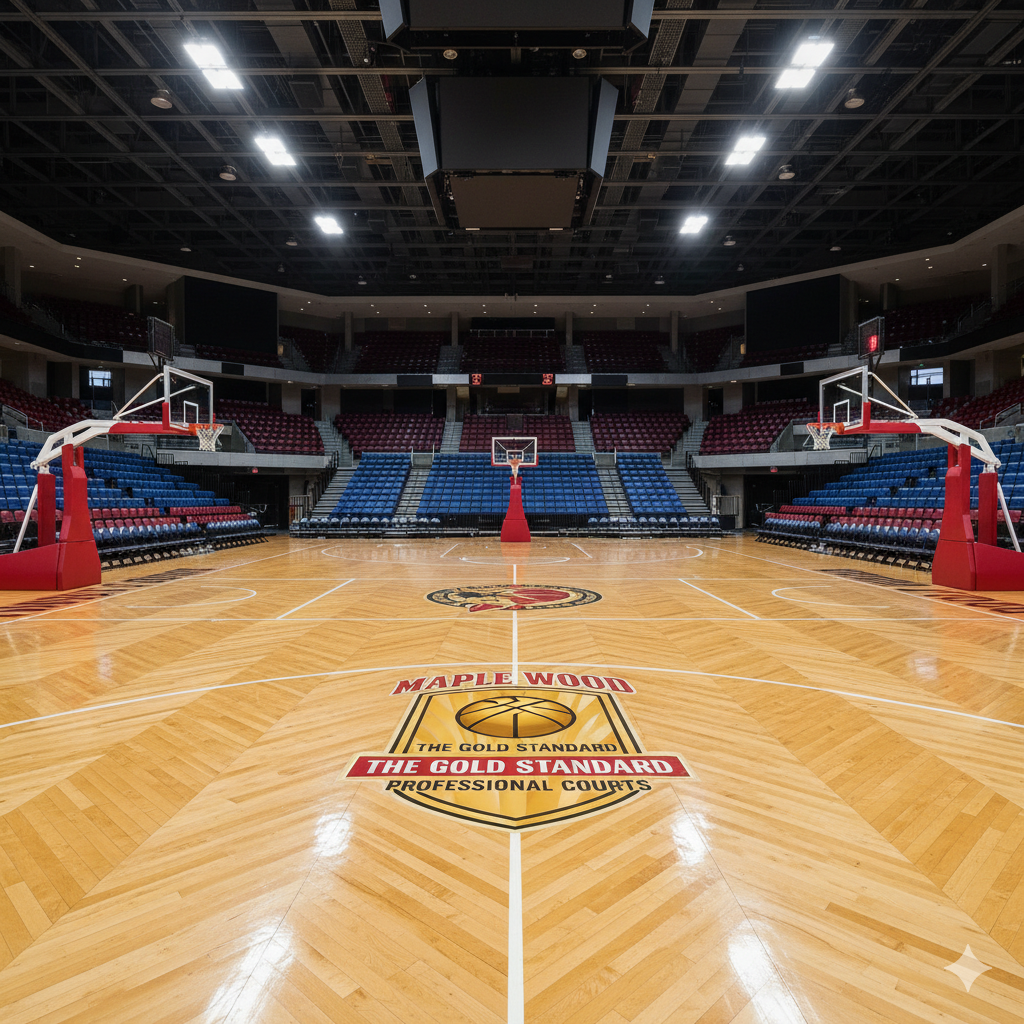
When it comes to basketball flooring, maple wood stands unmatched in terms of performance, durability, and aesthetics. Recognized globally as the preferred choice for professional and competitive basketball courts, maple wood delivers the perfect balance of strength, smoothness, and resilience. From world-class indoor arenas to premium training facilities, maple flooring provides a consistent bounce, superior traction, and a visually stunning surface that elevates every game.
This page explores the features, benefits, and installation process of maple wood basketball flooring, helping you understand why it remains the ultimate standard for sports excellence.
Why Choose Maple Wood for Basketball Courts?
Maple wood has long been the benchmark in the world of sports flooring due to its unique structural and visual properties. Its fine grain, high density, and shock-absorbing characteristics make it the ideal surface for both professional and recreational play.
Key Reasons to Choose Maple Flooring:
-
Exceptional Hardness and Strength:
Maple is one of the hardest domestic hardwoods, ensuring the floor withstands years of intense play and impact without warping or denting. -
Perfect Ball Bounce:
The uniform grain structure and tight cell composition of maple wood deliver consistent ball bounce across the entire surface—an essential requirement for high-level gameplay. -
Superior Grip and Traction:
Properly finished maple flooring provides excellent traction for players, reducing the risk of slips and enhancing quick directional movements. -
Aesthetic Appeal:
The natural light color and fine grain pattern give maple floors a premium, polished look that brightens indoor arenas and complements any design style. -
Longevity and Value:
With correct installation and maintenance, maple wood courts can last for decades, making them a long-term investment for schools, sports clubs, and professional facilities.
Types of Maple Wood Used in Basketball Flooring
Maple wood flooring for basketball courts is generally classified into grades, each reflecting the visual and structural quality of the wood:
-
First Grade (Prime Grade Maple):
The highest quality, featuring uniform color, minimal knots, and consistent grain. Used in top-tier professional and collegiate courts. -
Second Grade (Select Maple):
Offers natural variations in color and grain but maintains high durability and performance. Ideal for institutional and multi-purpose gyms. -
Third Grade (Utility Maple):
More visible grain and color variations, suitable for training or community courts where aesthetics are secondary to functionality.
Each grade delivers the same level of strength and playability, differing mainly in appearance and cost.
Construction and Installation Process
Building a high-performance maple wood basketball court involves precision engineering and skilled craftsmanship. Here’s a step-by-step overview of the process:
1. Subfloor Preparation
A stable and properly leveled subfloor is essential for the performance of maple flooring.
-
Moisture barriers are installed to protect the wood from dampness.
-
Shock-absorbing pads or underlayment systems are laid to minimize impact on players’ joints.
-
The subfloor structure ensures flexibility, stability, and proper airflow beneath the surface.
2. Maple Wood Installation
Solid maple planks are carefully acclimated to the indoor environment before installation. The boards are then nailed or stapled to the subfloor system using precise spacing and alignment. This ensures a tight, uniform surface with no gaps or unevenness.
3. Sanding and Finishing
Once installed, the floor is sanded multiple times to achieve a smooth, flawless finish. High-quality polyurethane sealants or water-based finishes are then applied to enhance traction, protect against wear, and add a glossy aesthetic.
The finishing process is crucial—it determines how the floor performs under heavy foot traffic, temperature changes, and lighting conditions.
4. Line Markings and Customization
Court markings for boundaries, free throws, and three-point lines are painted using durable, non-fading sports-grade paints. Custom options such as team logos, branding, or color zones can also be added to give the court a professional, personalized appearance.
5. Final Inspection and Maintenance Setup
After installation, the flooring undergoes a quality check to ensure levelness, adhesion, and finish consistency.
Key Features of Maple Basketball Flooring
-
Hardness (Janka Rating: 1450): Ensures long-lasting resistance to dents and scratches.
-
Density and Tight Grain: Offers excellent shock resistance and structural stability.
-
Moisture Control: Proper sealing prevents expansion or contraction in changing humidity.
-
Resilient Subfloor Systems: Absorbs player impact, enhancing comfort and reducing injuries.
-
High Aesthetic Value: Bright, clean appearance enhances lighting and visibility in indoor arenas.
These features combine to make maple wood the premier choice for performance, safety, and beauty.
Maintenance and Longevity
Regular Maintenance Tips:
-
Daily Cleaning:
Sweep and dust mop to remove dirt and prevent abrasion. Avoid using harsh chemicals or excessive water. -
Seasonal Recoating:
Apply a new finish coat every 1–2 years to maintain traction and protect the wood surface. -
Deep Sanding and Refinishing:
Every 8–10 years, the floor may need sanding and refinishing to restore its original luster and performance. -
Climate Control:
Maintain stable indoor humidity (35–50%) and temperature to prevent expansion or shrinkage.
When maintained properly, a maple wood court can last 40–50 years, making it one of the most sustainable and cost-effective sports flooring options available.
Advantages Over Other Flooring Materials
While synthetic and vinyl flooring have become popular for multi-purpose sports areas, maple wood remains the top choice for professional basketball courts due to its superior characteristics:
| Feature | Maple Wood | Synthetic/Vinyl |
|---|---|---|
| Ball Bounce | Perfectly consistent | Moderately consistent |
| Player Comfort | Excellent shock absorption | Average |
| Aesthetics | Natural, premium look | Artificial appearance |
| Lifespan | 40+ years | 10–15 years |
| Maintenance | Periodic refinishing | Surface replacement |
| Environmental Impact | Natural and renewable | Synthetic materials |
In every aspect—from feel and performance to longevity—maple wood flooring stands in a league of its own.
Applications of Maple Wood Basketball Flooring
-
Professional Arenas and Stadiums
-
University and School Gyms
-
Sports Academies and Training Centers
-
Corporate and Recreational Clubs
-
Indoor Multi-Purpose Halls
Its timeless appeal, natural strength, and unmatched playability make it suitable for both competition and high-intensity training.
Why Choose Professional Maple Flooring Installers
Installing maple wood basketball flooring requires specialized expertise. Professional court builders ensure:
-
Accurate leveling and subfloor design
-
Premium-grade maple wood selection
-
Proper acclimatization and installation techniques
-
Finishing with certified sports-grade sealants
-
Long-term maintenance guidance
By working with experienced professionals, you guarantee your court meets international standards for safety, performance, and durability.
Conclusion
Maple wood basketball flooring represents the pinnacle of sports surface technology—a perfect combination of beauty, resilience, and performance. Its strength, smoothness, and longevity make it the first choice for serious athletes and facility owners who value quality.
Whether you are building a new sports complex, upgrading a school gym, or renovating an indoor arena, investing in premium maple wood flooring ensures a court that performs flawlessly, looks elegant, and lasts for generations.