
|
Getting your Trinity Audio player ready...
|
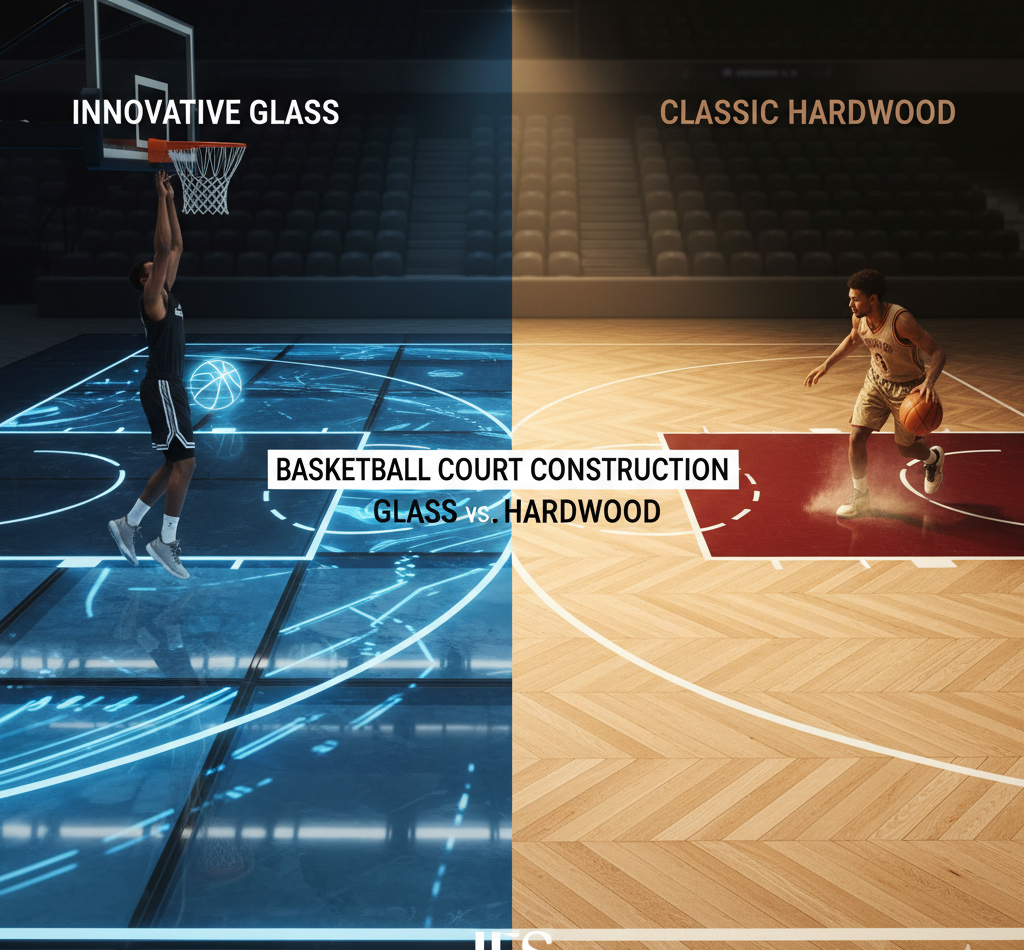
Basketball has evolved tremendously over the years, not just in terms of player skill and strategy, but also in the way courts are designed and constructed. One of the most critical aspects of a basketball court is its flooring. The floor directly impacts player performance, safety, and the overall aesthetics of the arena. In 2025, innovative flooring solutions have brought two primary options into the spotlight: glass courts and hardwood courts. This article delves into a detailed comparison, highlighting the benefits, drawbacks, and cost considerations for both options.
1. The Importance of Basketball Court Flooring
Before diving into the types, it’s essential to understand why flooring matters:
-
Player Safety: Proper flooring absorbs shock and reduces the risk of injuries.
-
Performance: The bounce of the basketball, traction, and court stability influence player performance.
-
Durability: High-traffic areas require floors that can withstand years of intense use.
-
Aesthetics: Modern arenas are also judged by their visual appeal, and flooring plays a pivotal role.
Given these factors, choosing the right material is a crucial decision for sports clubs, schools, colleges, and professional arenas.
2. Hardwood Basketball Courts
Hardwood courts have been the gold standard for decades, especially in professional and semi-professional arenas.
A. Composition and Construction
Hardwood courts are typically made of maple wood, prized for its hardness, durability, and fine grain. The construction involves several layers:
-
Subfloor: Usually concrete or a wooden base that provides stability.
-
Suspension Layer: Optional cushioning layer for shock absorption.
-
Maple Planks: High-quality maple boards are installed and polished.
-
Surface Finish: Varnish or polyurethane coating ensures smoothness and durability.
B. Advantages of Hardwood
-
Durability: With proper maintenance, hardwood floors can last 20–30 years.
-
Optimal Bounce: Maple provides consistent basketball bounce and ball control.
-
Professional Standard: All NBA and FIBA courts are hardwood, making it ideal for competitive play.
-
Aesthetic Appeal: Glossy finish enhances arena visuals, adding prestige.
C. Drawbacks of Hardwood
-
Cost: Hardwood courts are expensive due to premium wood and labor.
-
Maintenance: Requires regular polishing, cleaning, and humidity control to prevent warping.
-
Installation Time: Longer construction time due to precision installation.
D. Cost Consideration (2025)
-
Material Cost: ₹2,500–₹4,000 per sq.m
-
Installation & Labor: ₹500–₹1,000 per sq.m
-
Maintenance: ₹50,000–₹1,00,000 annually for medium-sized courts
3. Glass Basketball Courts
Glass courts are an innovative alternative that have gained traction in modern sports facilities, especially where aesthetics and premium design are prioritized.
A. Composition and Construction
Glass basketball courts are made of tempered, laminated glass panels with anti-slip coatings. The layers typically include:
-
Tempered Glass: High-strength, shatter-resistant glass panels.
-
Support Frame: Steel or aluminum framework supports the glass and maintains stability.
-
Shock Absorption Pads: Rubber or polymer layers between the panels absorb impact.
-
Surface Treatment: Anti-slip coating ensures player traction.
B. Advantages of Glass
-
Modern Aesthetics: Transparent courts create a visually striking arena.
-
Lighting Flexibility: Backlighting or LED installations enhance the spectator experience.
-
Durability: Tempered glass is strong and resistant to scratching or chipping.
-
Versatility: Can be installed in multi-purpose venues without compromising appearance.
C. Drawbacks of Glass
-
High Cost: Material and installation costs are significantly higher than hardwood.
-
Limited Professional Use: Rarely used for official NBA or FIBA games due to strict regulations.
-
Slipperiness: Despite coatings, glass may be slightly more slippery, requiring extra care.
-
Complex Installation: Requires specialized labor and precise engineering.
D. Cost Consideration (2025)
-
Material Cost: ₹4,000–₹6,500 per sq.m
-
Installation & Labor: ₹1,000–₹2,000 per sq.m
-
Maintenance: ₹1,00,000–₹2,00,000 annually (surface cleaning and coatings)
4. Comparing Hardwood vs. Glass Courts
| Feature | Hardwood Court | Glass Court |
|---|---|---|
| Aesthetics | Traditional, classic look | Modern, futuristic look |
| Durability | High, 20–30 years | High, tempered glass |
| Bounce & Performance | Excellent, standard for pro | Good, slightly different feel |
| Cost | Moderate to high | Very high |
| Maintenance | Regular polishing and cleaning | Cleaning and surface coatings |
| Installation Complexity | Moderate | High, requires specialized labor |
| Professional Use | NBA/FIBA standard | Rare, mainly exhibition or premium venues |
5. Factors to Consider When Choosing Flooring
-
Purpose of the Court: Professional competition favors hardwood, while premium showcase venues may opt for glass.
-
Budget: Hardwood is cost-effective in the long run; glass is a luxury investment.
-
Maintenance Capacity: Hardwood requires consistent maintenance; glass demands specialized cleaning.
-
Player Safety: Both floors can be safe, but hardwood offers predictable traction.
-
Visual & Branding Goals: Glass courts create a modern image and can attract sponsorships or media attention.
6. Future Trends in Basketball Flooring (2025)
-
Hybrid Courts: Combining hardwood with transparent or LED sections to create a mixed aesthetic.
-
Eco-Friendly Options: Sustainable wood sources and recycled glass are gaining popularity.
-
Smart Floors: Sensors embedded in flooring for real-time player tracking, performance analytics, and enhanced training.
-
Anti-Fatigue Innovations: Both hardwood and glass courts are being developed with advanced cushioning to reduce stress on joints.
7. Budgeting Tips for 2025 Basketball Court Construction
-
Plan Ahead: Choose flooring based on long-term goals and usage frequency.
-
Get Multiple Quotes: Especially for glass installations, specialized labor costs can vary widely.
-
Include Contingencies: Allocate 10–15% of the budget for unexpected costs or design changes.
-
Factor in Maintenance: Initial installation is just part of the total cost; upkeep matters.
-
Invest in Quality: Cheap alternatives may save upfront money but result in higher replacement or repair costs.
8. Conclusion
Both hardwood and glass basketball courts have unique advantages and limitations. Hardwood remains the trusted choice for professional sports, providing excellent bounce, durability, and traditional aesthetics. On the other hand, glass courts represent cutting-edge innovation, offering futuristic visuals and modern appeal for elite or multi-purpose venues.
In 2025, choosing between glass and hardwood ultimately depends on your budget, purpose, and desired visual impact. For a competitive edge and long-term durability, hardwood is unmatched. For creating a statement or high-tech showcase, glass courts can elevate the player and spectator experience.
When planning a basketball court, careful consideration of costs, installation complexity, and maintenance is key. With the right decision, your court will not only enhance player performance but also stand out as a symbol of innovation and quality.